
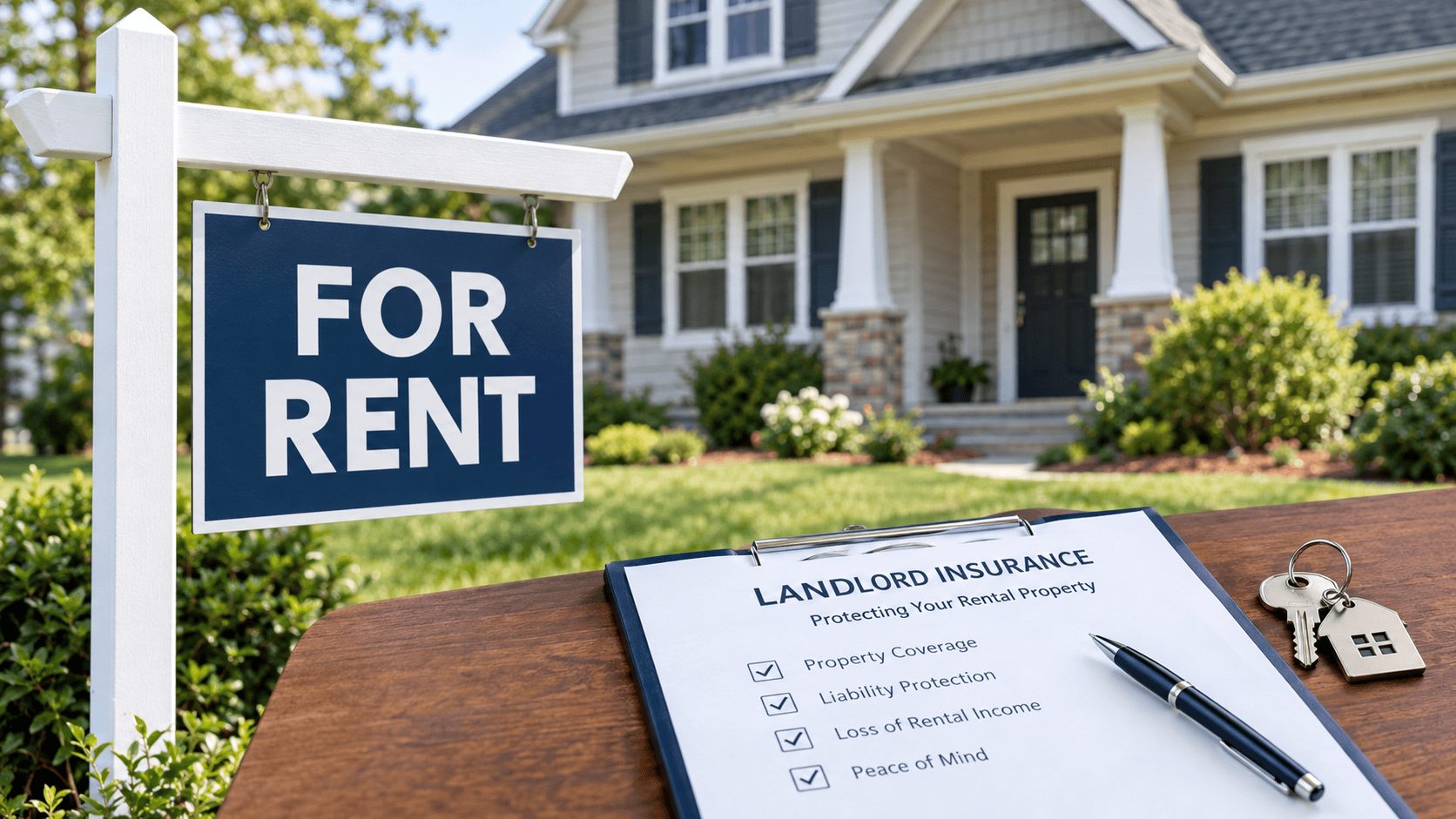
f you own a house in New Jersey and are thinking about renting it out, one of the first questions you should ask is whether your existing homeowners insurance will still protect you.
Maybe you are moving out of your current home and plan to keep it as a rental property. Perhaps you inherited a house, purchased an investment property, or want to earn additional income by renting out a home you already own.
Whatever your situation, renting out a property can change your insurance needs. A standard homeowners policy is generally designed for an owner-occupied residence, and coverage may be limited or unavailable when a property is used as a rental.
At Archer Insurance Agency, we help property owners explore insurance options that fit their properties and occupancy arrangements. In this guide, we explain what New Jersey landlords should know about rental property insurance, liability protection, lost rental income, and choosing the right policy.
Does Homeowners Insurance Cover a Rental Property in New Jersey?
In some circumstances, a homeowners policy may provide limited coverage for certain rental arrangements. However, you should never assume your existing policy will adequately cover a property once you begin renting it out.
The appropriate coverage depends on how the property is occupied, how frequently it is rented, the number of rental units, and the terms of your insurance policy.
For example, the insurance needs of someone renting out a single-family home to a tenant for a year may be very different from those of a homeowner renting a spare bedroom or offering short-term stays.
If you plan to rent out your property, contact your insurance agent before the rental begins. Your agent can review your existing coverage and help determine whether a different policy or an endorsement is necessary.
What Type of Insurance Do New Jersey Landlords Need?
For many properties rented to tenants on a long-term basis, landlord insurance, also called rental property insurance, may be an appropriate solution.
Unlike a standard homeowners policy, landlord insurance is designed for the risks associated with owning property that someone else occupies.
Depending on the policy and available options, landlord insurance may include the following coverages.
1. Dwelling Coverage
Dwelling coverage can help pay to repair or rebuild the insured structure following a covered loss, subject to the policy’s terms, limits, deductibles, and exclusions.
Covered property may include the house itself and certain attached structures or building components.
For example, if a covered fire damages a rental home’s kitchen, dwelling coverage may help pay for repairs.
The amount of coverage should reflect the estimated cost to rebuild the structure, rather than simply its market value or the outstanding mortgage balance.
2. Landlord Liability Insurance
What happens if a tenant or visitor is injured on your rental property and alleges that you were responsible?
Landlord liability coverage may help protect you against covered bodily injury or property damage claims for which you are legally liable. It may also help pay legal defense costs, subject to the policy terms.
Potential exposures can include allegations involving unsafe walkways, poorly maintained stairs, or other hazardous property conditions.
Landlords should maintain their properties properly and review their liability limits with an insurance professional.
3. Loss of Rental Income
A covered loss can leave a rental property temporarily uninhabitable.
For example, if a fire causes substantial damage and tenants must move out while repairs are completed, you could lose rental income during that period.
Some landlord policies include coverage for lost rental income when a covered property loss prevents the premises from being rented. This coverage is subject to specific conditions, limits, and time restrictions.
It generally does not mean you are insured against every missed rent payment. A tenant’s failure to pay rent is a different risk from rental income lost because of covered physical damage.
4. Other Structures and Landlord-Owned Property
Depending on the policy, coverage may be available for detached garages, sheds, fences, appliances, and certain furnishings owned by the landlord.
The protection available varies by policy, and some property may require separate limits or endorsements.
Review these details if your rental property includes a detached garage, outdoor structures, or furniture and appliances supplied to tenants.
What Is the Difference Between a Homeowners Policy and a Landlord Policy?
The primary difference is how the property is used and whose interests need to be protected.
Coverage considerationHomeowners insuranceLandlord insurancePrimary purposeProtect an eligible owner-occupied residenceProtect an eligible rental propertyBuilding coverageYes, subject to policy terms Yes, subject to policy termsOwner’s personal belongingsTypically included within policy limits Limited to eligible landlord-owned propertyTenant’s personal belongingsNot intended to insure a tenant’s belongings Not intended to insure a tenant’s belongingsLandlord liability exposureMay not be appropriately covered for a rental arrangementDesigned to address eligible rental-property liability exposuresLost rental incomeDepends on the policy and circumstancesMay be available after a covered loss
These are general distinctions, not guarantees of coverage. Actual protection depends on the policy form, endorsements, exclusions, and the property’s use.
What If You Move Out of Your Home and Rent It to Someone Else?
This is one of the most important situations for New Jersey homeowners to consider.
Suppose you currently own a home in Bedminster, Bridgewater, Basking Ridge, or another Somerset County community. You decide to move elsewhere but keep your existing property as a long-term rental.
Your original homeowners policy may have been written based on the assumption that you live in the house. Once tenants move in, the property’s occupancy and risk profile change.
You should notify your insurance agent before making the change.
Depending on the circumstances, you may need a landlord policy rather than your existing homeowners policy. Failing to disclose the change in occupancy could create problems if you later file a claim.
If you own more than one property, it is also worth reviewing whether each location has the appropriate coverage for its particular use.
Do You Need Different Insurance for a Short-Term Rental?
Yes, you may need a different insurance solution if you rent your property for short stays through vacation rental platforms or directly to guests.
Short-term rentals can present different exposures from traditional long-term tenancies. Guest turnover, the frequency of occupancy changes, and the nature of the rental activity can all affect eligibility and coverage.
A standard landlord policy may not be suitable for every short-term rental arrangement.
If you plan to rent your home by the night or week, review the coverage requirements before accepting reservations.
Archer Insurance Agency can help you explore the appropriate options for your situation. Learn more about our short-term rental insurance options.
Does Landlord Insurance Cover Tenant Damage?
Not necessarily. Coverage depends on the cause of the damage and the specific policy provisions.
For example, sudden damage resulting from a covered event may qualify for coverage, while ordinary wear and tear, gradual deterioration, and maintenance problems are generally treated differently.
Intentional damage caused by a tenant may also be subject to exclusions or special limitations.
Landlords should not assume that every repair, broken appliance, damaged wall, or other tenant-related expense will be reimbursed by insurance.
It is important to understand the difference between an insured property loss and routine property maintenance.
Should Landlords Consider Umbrella Insurance?
Landlords should also review whether their existing liability limits are sufficient for their overall financial situation.
If you own rental property alongside your primary residence, vehicles, or other assets, a serious liability claim could have significant financial consequences.
An umbrella insurance policy may provide additional liability protection above certain underlying policies when its requirements are met.
However, personal umbrella policies vary in their treatment of rental properties and business activities. Some may restrict or exclude particular exposures.
Before purchasing umbrella insurance, confirm that your rental property and landlord liability exposures qualify for the coverage.
You can learn more about umbrella insurance and additional liability protection through Archer Insurance Agency.
How Much Does Landlord Insurance Cost in New Jersey?
There is no single price for landlord insurance in New Jersey. Premiums depend on several factors, including:
-
Property location: Local property risks and insurance availability can affect pricing.
-
Reconstruction cost: The size, construction, and features of the building influence the amount of dwelling coverage needed.
-
Property age and condition: Roof age, updates, maintenance, and building systems may affect eligibility and rates.
-
Rental arrangement: A single-family long-term rental, a multi-unit property, and a short-term rental may have different underwriting requirements.
-
Coverage selections: Liability limits, deductibles, optional endorsements, and other policy features affect the premium.
-
Claims history: Prior losses may influence underwriting and pricing.
The best way to understand your options is to obtain quotes based on the actual property and its intended use.
At Archer Insurance Agency, we are an independent insurance agency based in Bedminster, New Jersey. We can help you compare available coverage options from multiple insurance carriers, so you can make a more informed decision about protecting your rental property.
Get a Landlord Insurance Quote in New Jersey
Owning a rental property can be a valuable long-term investment, but it is important to make sure your insurance reflects how the property is being used.
Whether you are converting your current home into a rental, purchasing an investment property, or reviewing coverage on a property you have owned for years, the right policy can help protect your building and address eligible liability and rental-income exposures.
Archer Insurance Agency works with property owners in Bedminster, Somerset County, and surrounding New Jersey communities to explore insurance options tailored to their needs.
Thinking about renting out a property? Contact Archer Insurance Agency to review your options and request a landlord insurance quote.
Request a quote or contact our Bedminster office to get started.
Frequently Asked Questions About Landlord Insurance in New Jersey
1. Is landlord insurance required by law in New Jersey?
Requirements depend on your circumstances, including any mortgage or contractual obligations. A lender may require property insurance, but that does not mean every landlord is subject to one universal landlord-policy requirement. Check your loan documents and speak with your insurance agent.
2. Can I rent out my house without changing my homeowners insurance?
You should not assume your current policy will remain appropriate. Notify your insurer before renting out the property so your coverage and eligibility can be reviewed.
3. What is a DP-3 policy?
DP-3 is a commonly used designation for a dwelling fire policy form that can be used for certain rental properties. The coverage depends on the actual policy wording, exclusions, and endorsements. Not every landlord needs the same policy form.
4. Does landlord insurance cover the tenant’s belongings?
Generally, no. Landlord insurance is designed to protect the property owner’s covered interests, not the tenant’s personal possessions. Tenants should consider their own renters insurance.
5. Does landlord insurance cover lost rent?
Some policies cover rental income lost when a covered physical loss makes the insured premises uninhabitable. Ordinary nonpayment of rent is generally a separate exposure and is not automatically covered.
6. Do I need landlord insurance if I rent out a second home?
You may need rental property coverage if you lease the property to tenants. The appropriate policy depends on whether the home is rented long-term, used for short-term stays, or occupied by you for part of the year.
7. Can I get landlord insurance for a multi-family property?
Coverage may be available for eligible multi-family properties, but the number of units, occupancy, property condition, and rental arrangement can affect underwriting and policy options.
8. Can I add umbrella insurance to my landlord policy?
Additional liability protection may be available, but eligibility and requirements vary. Ask your agent to confirm whether your rental property liability exposure qualifies under the proposed umbrella policy.
9. When should I get landlord insurance?
Contact your agent before tenants move in or before you purchase a property intended for rental use. Starting the conversation early gives you time to review eligibility, arrange coverage, and avoid an unintended gap.
10. How do I get a landlord insurance quote in New Jersey?
You will generally need the property address, building details, estimated reconstruction cost, roof and system information, occupancy and rental details, and claims history. Your agent may request additional information depending on the property.
Ready to insure your rental property? Contact Archer Insurance Agency to discuss your property and explore available landlord insurance options in New Jersey.
Get started with Archer Insurance Agency
Insurance coverage, eligibility, exclusions, and limits vary by carrier and policy. This article is for general informational purposes and is not a substitute for reviewing your actual policy or obtaining individualized insurance advice.